
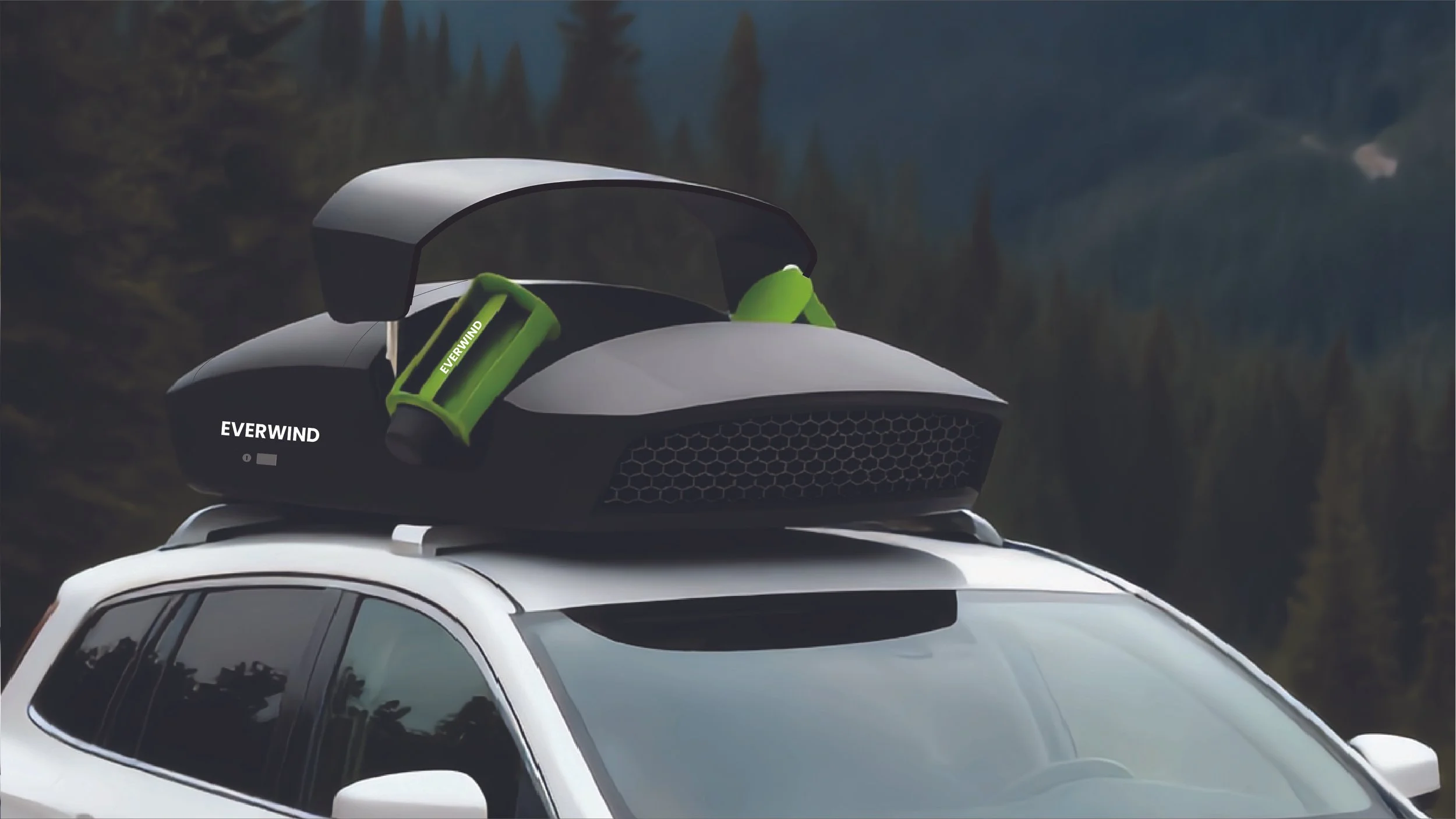
EVERWIND
A HYBRID MOBILE TURBINE SYSTEM

Everwind was awarded:
Second overall in Ontario, Most dynamic design, Best model, Prototype prodigy, and Gold for Sustainability & Environmental Systems at ACIDO Rocket 2026
Gilles Memorial Award for ‘Form Giving’ at Carleton University
The opportunity lies in developing a mobile vehicle energy system that performs reliably across changing locations, variable weather, and all-day usage cycles. Something the current market does not yet provide.
SOLAR DROPS
30 to 85 %
In poor conditions
WIND AT
6 m/s
creates more energy then solar
HYBRID SYSTEMS
90 %
Uptime energy
Where I’m At.
After analyzing competitors and the broader market, a clear opportunity was identified and advanced through testing and prototyping. These early iterations will allow for key decisions around the future form, function, and feasibility.
-
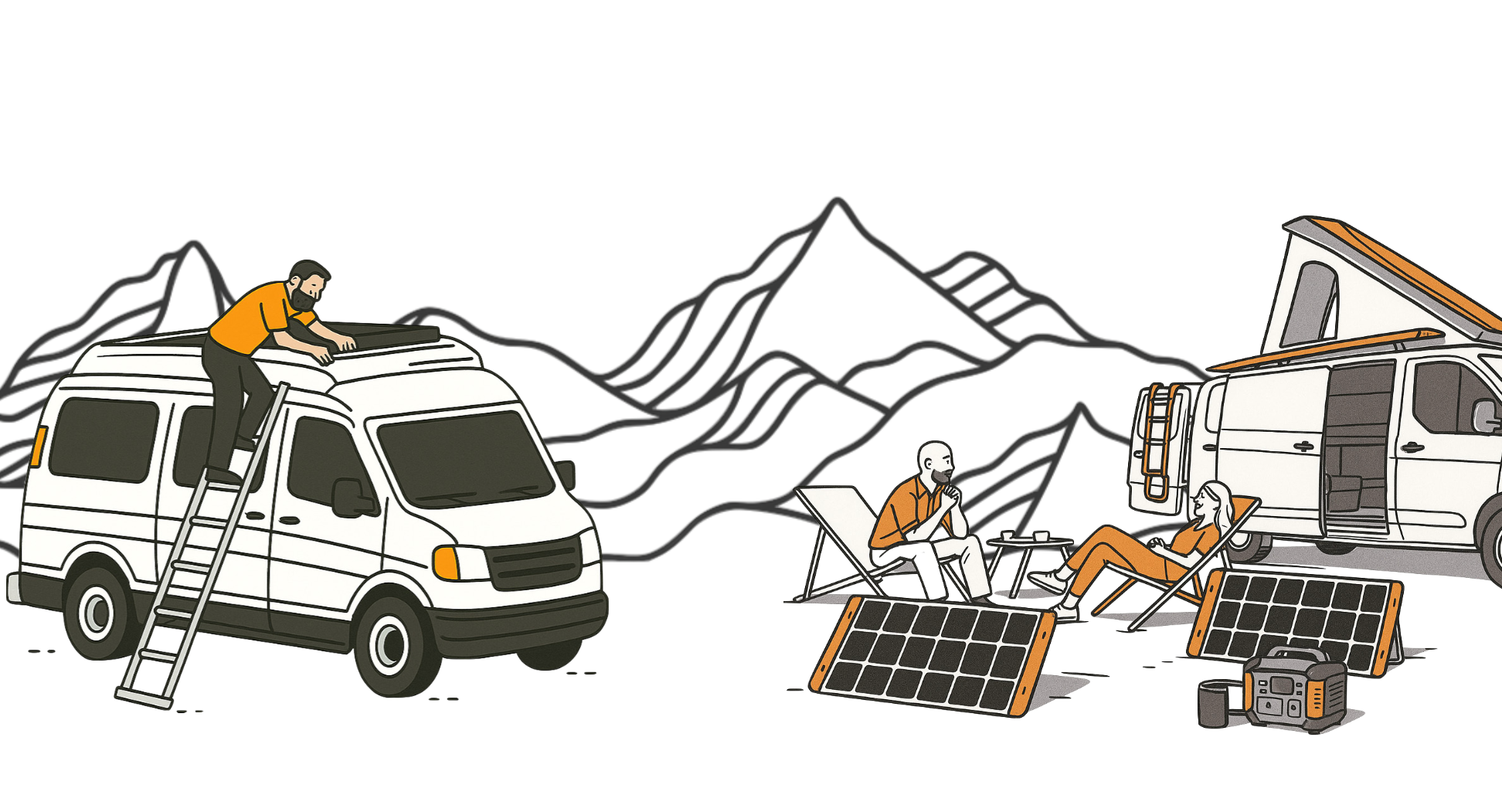
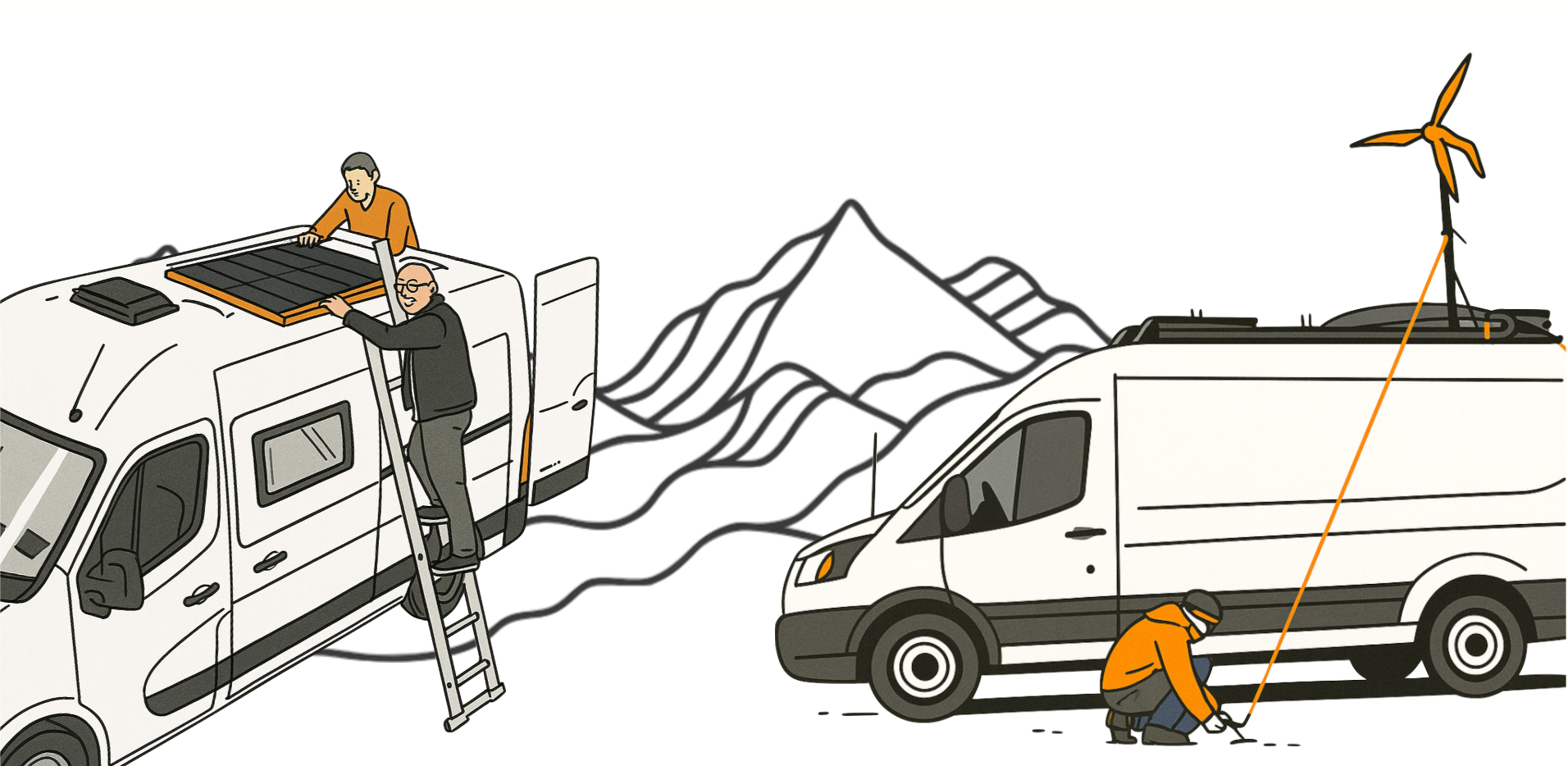
Extensive research was conducted across solar, wind, fossil fuel, and electric energy systems to understand their advantages and limitations. This research focused on identifying opportunities to improve how users in mobile vans or trucks access reliable energy across varying environments.
-
I analyzed leading products across each of these categories to identify where existing solutions fall short and where meaningful innovation could occur.
-
Two primary markets were identified: individuals using vans for daily commuting and van living, and professionals using trucks as mobile energy stations for off-grid work.
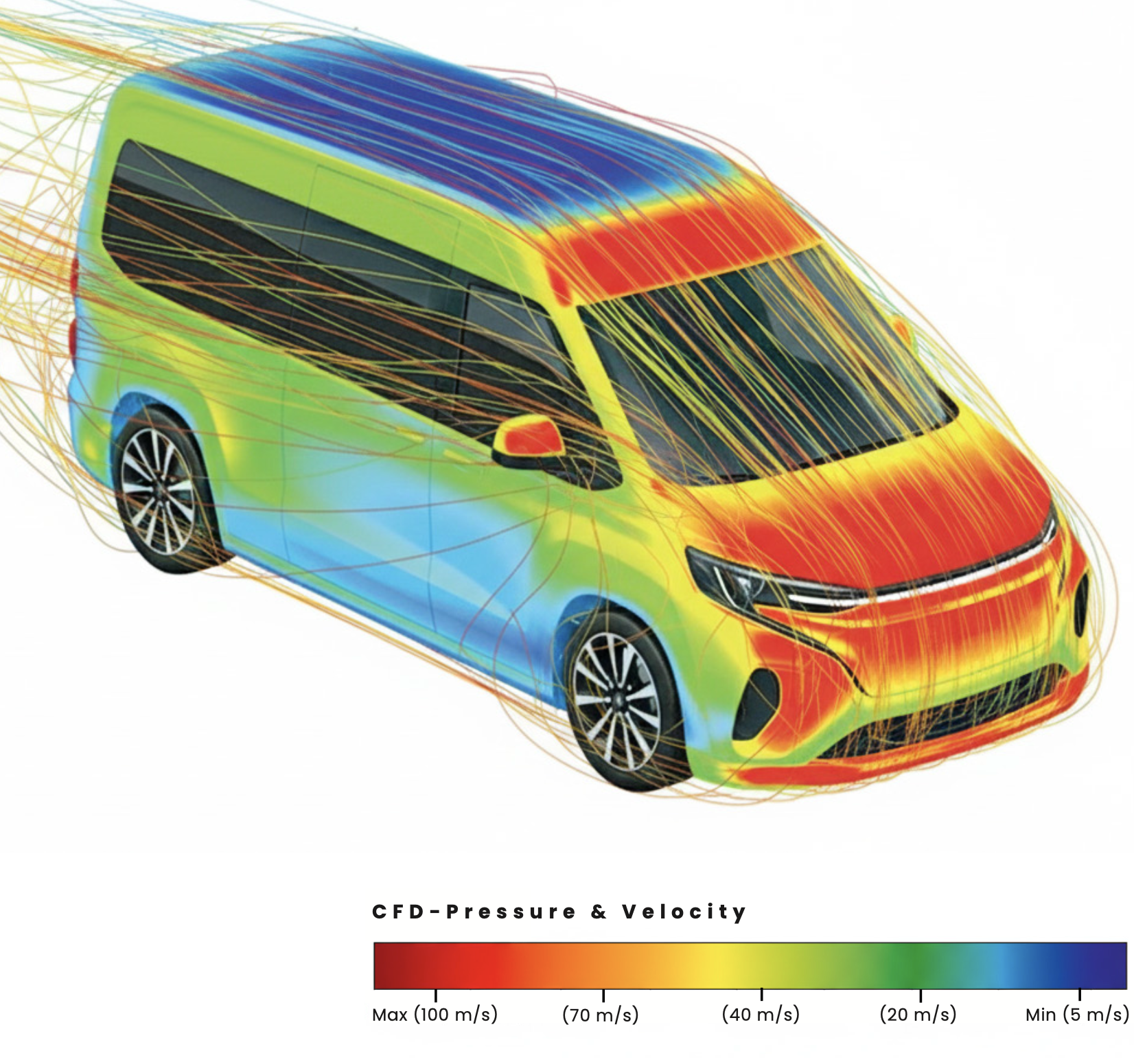
The CFD image shows a red hotspot at the windshield–roof junction, indicating a stagnation zone where wind hits the vehicle head-on and slows down. Using a CAD model in SimFlow, I ran airflow simulations to map pressure and velocity across the van’s surface, revealing blue low-pressure regions where fast, clean airflow moves smoothly over the roof and side edges.
CFD Sim-Flow Testing
Wind Energy Fundamentals
Compact turbines typically operate at low C2 values (0.15–0.30), and while power increases with the cube of wind speed, real installations lose efficiency to turbulence and friction.
When turbines are enclosed in ducts or boxes, airflow and efficiency drop significantly, with practical outputs for compact systems falling in the 80–150 watt range.
Air Flow Constraints
Vehicle research shows external shapes like cargo boxes add 15–25% drag, while ducted micro-turbines add only 3–7%, meaning the enclosure drives most aerodynamic penalties.
Drag Behaviour & Impact
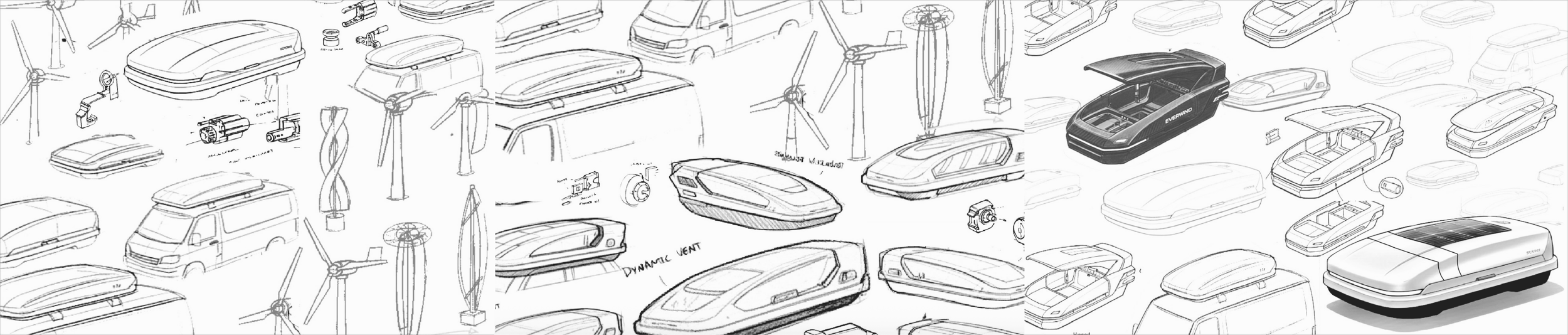
Concepts & Iteration
Material Considerations

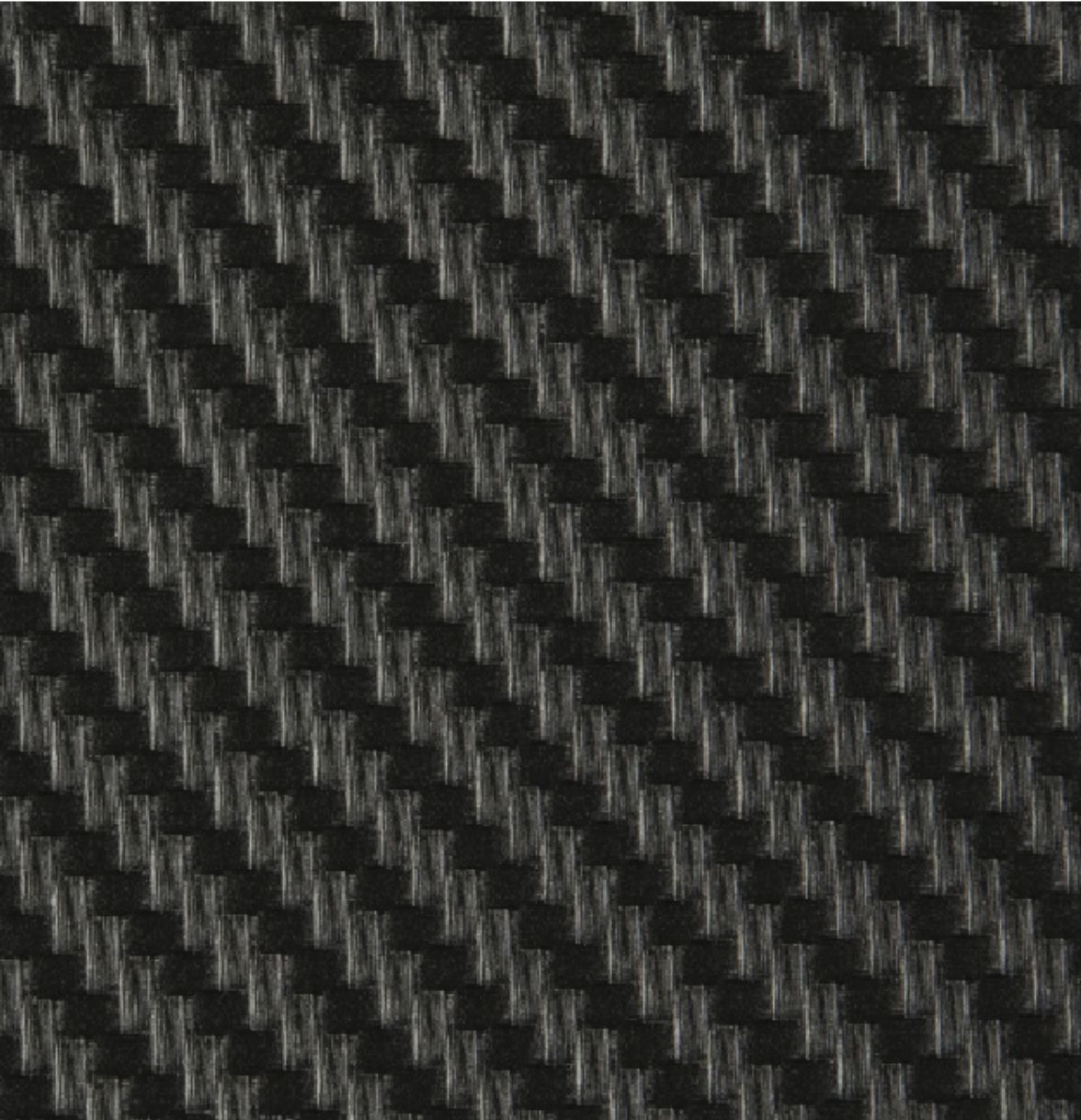
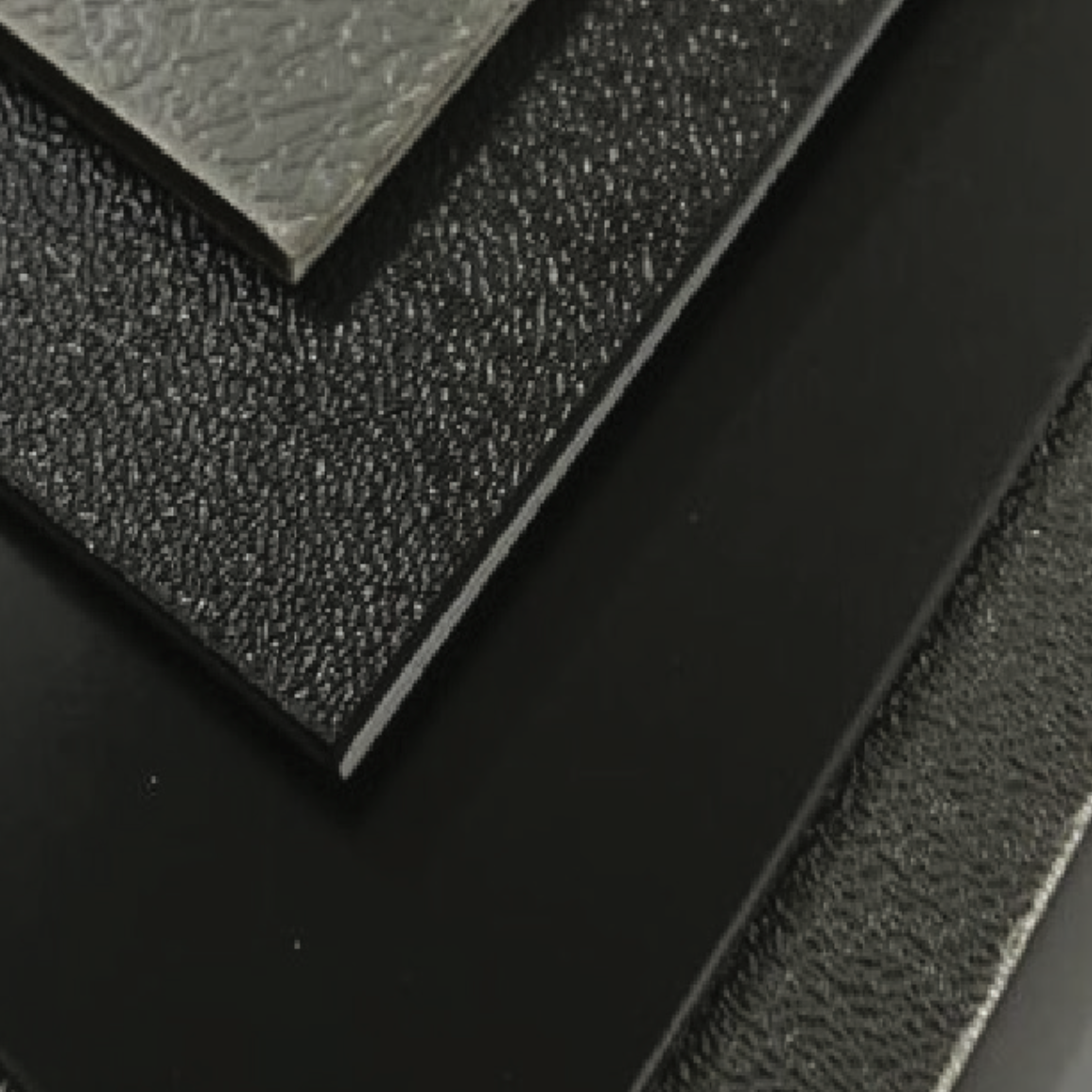
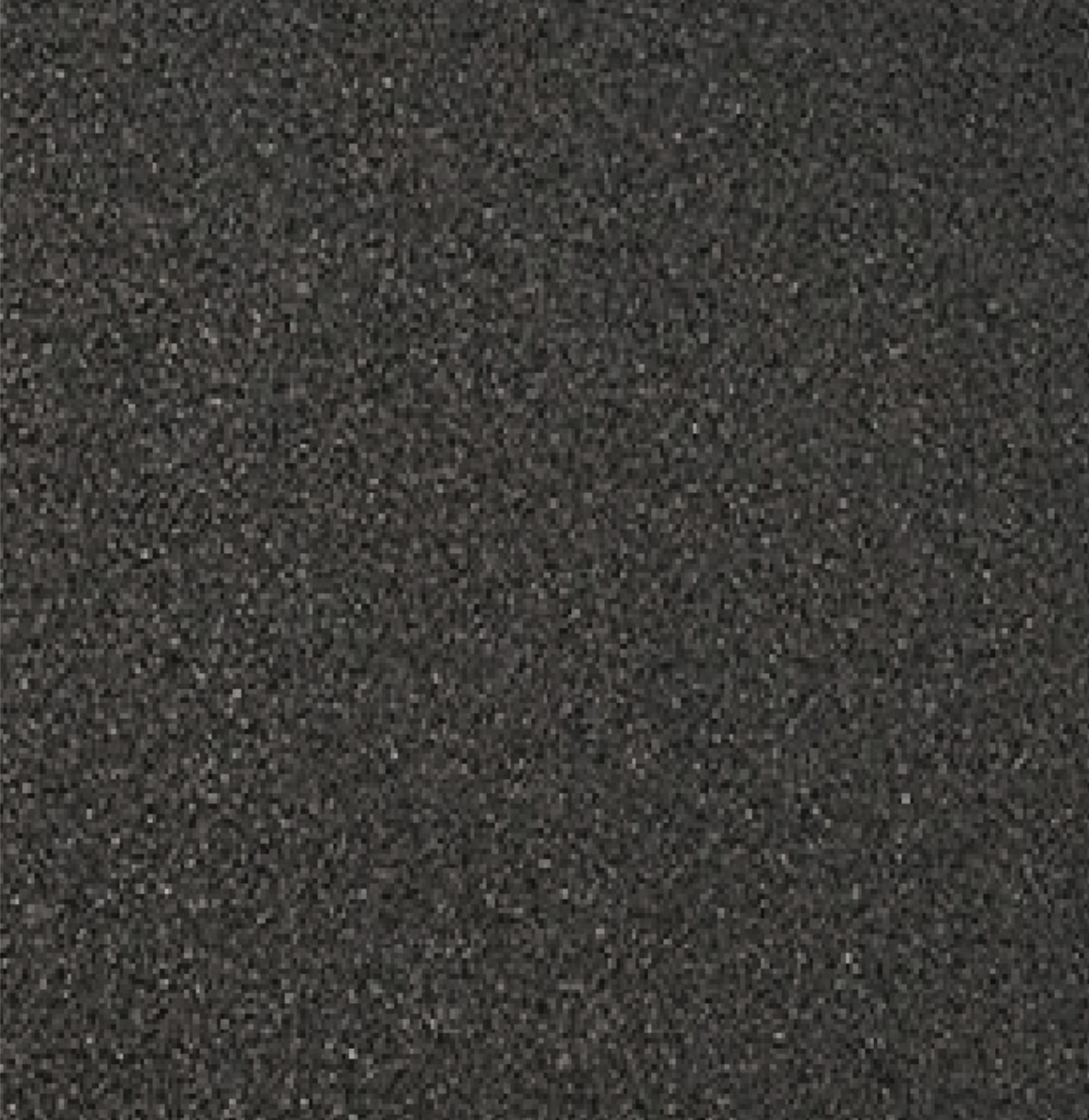
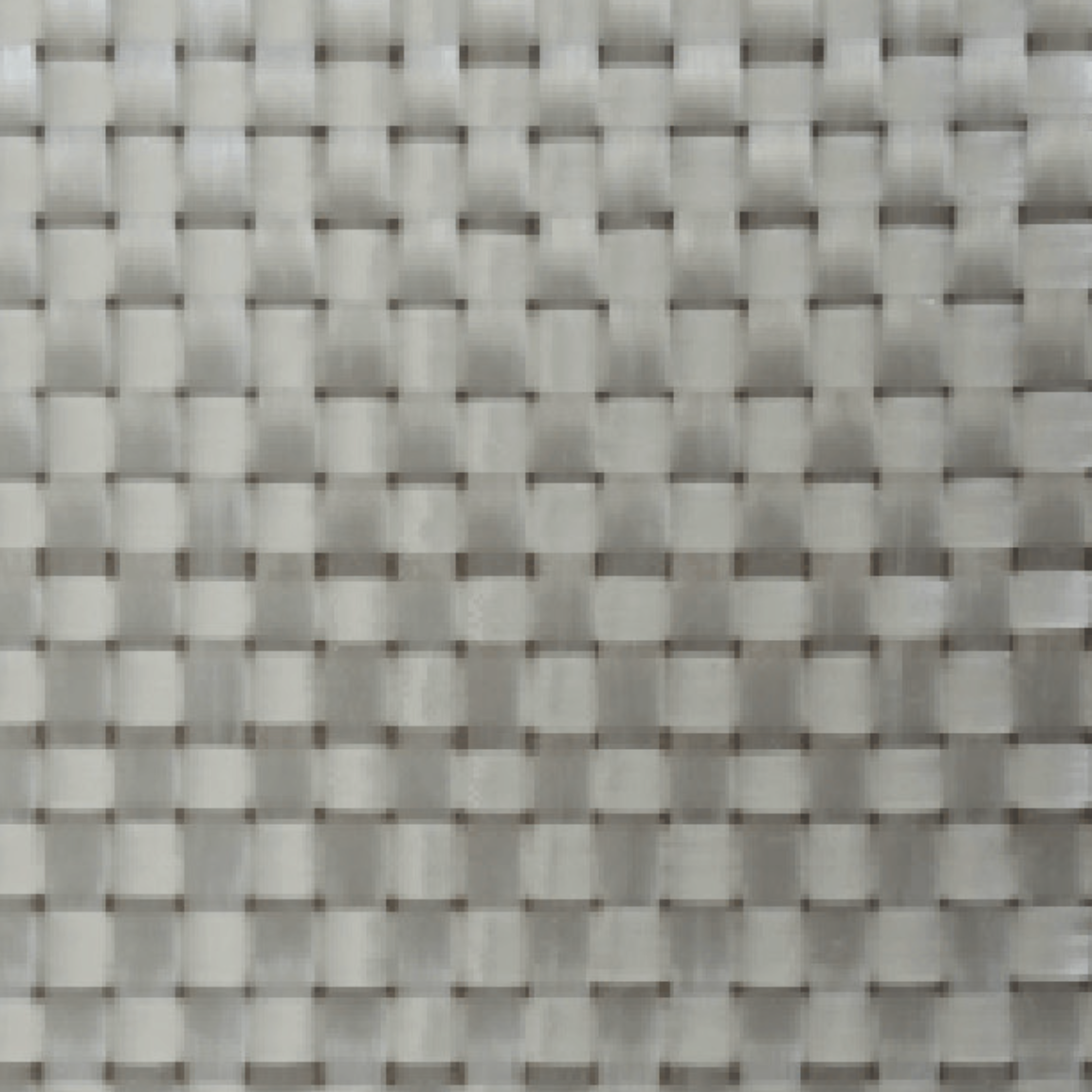
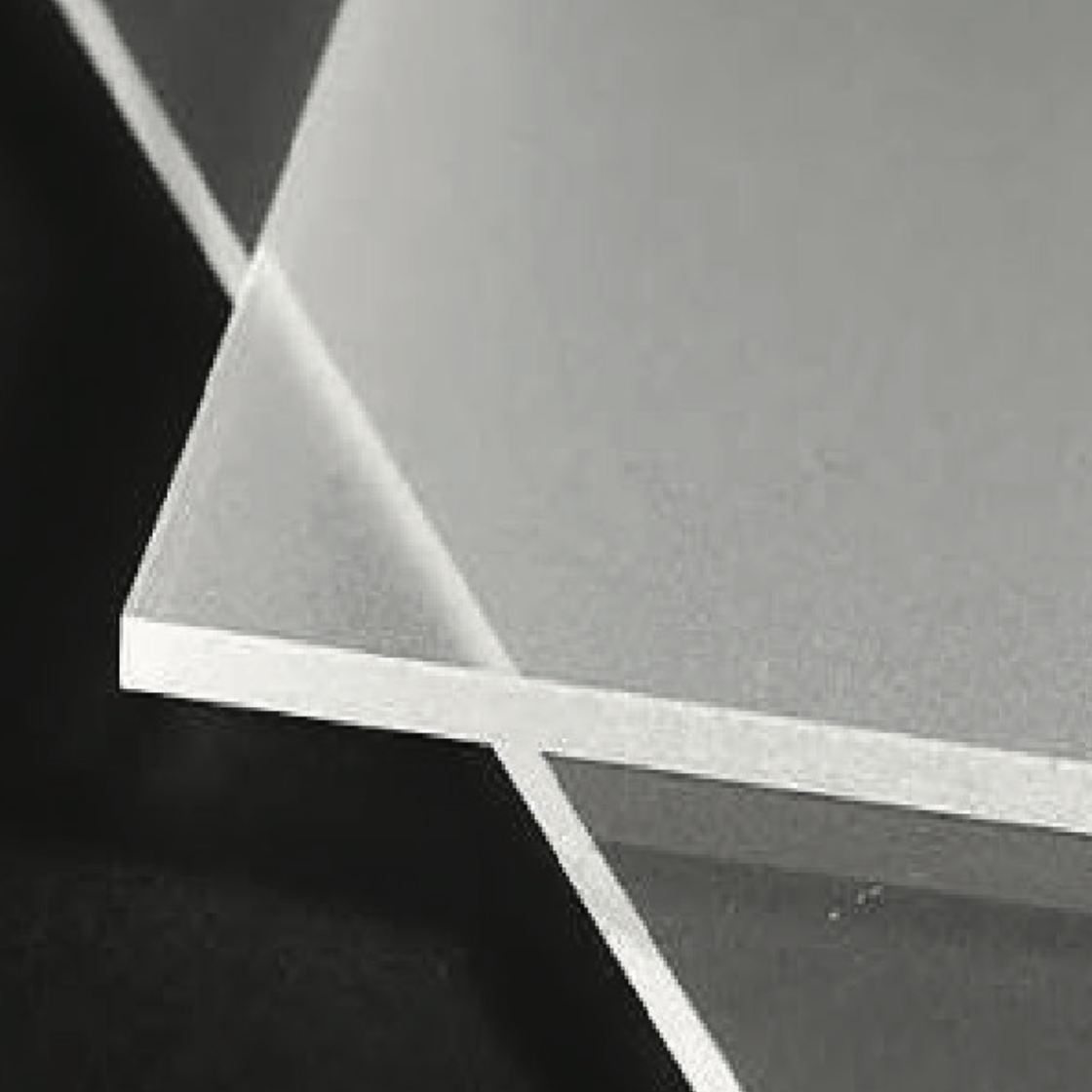
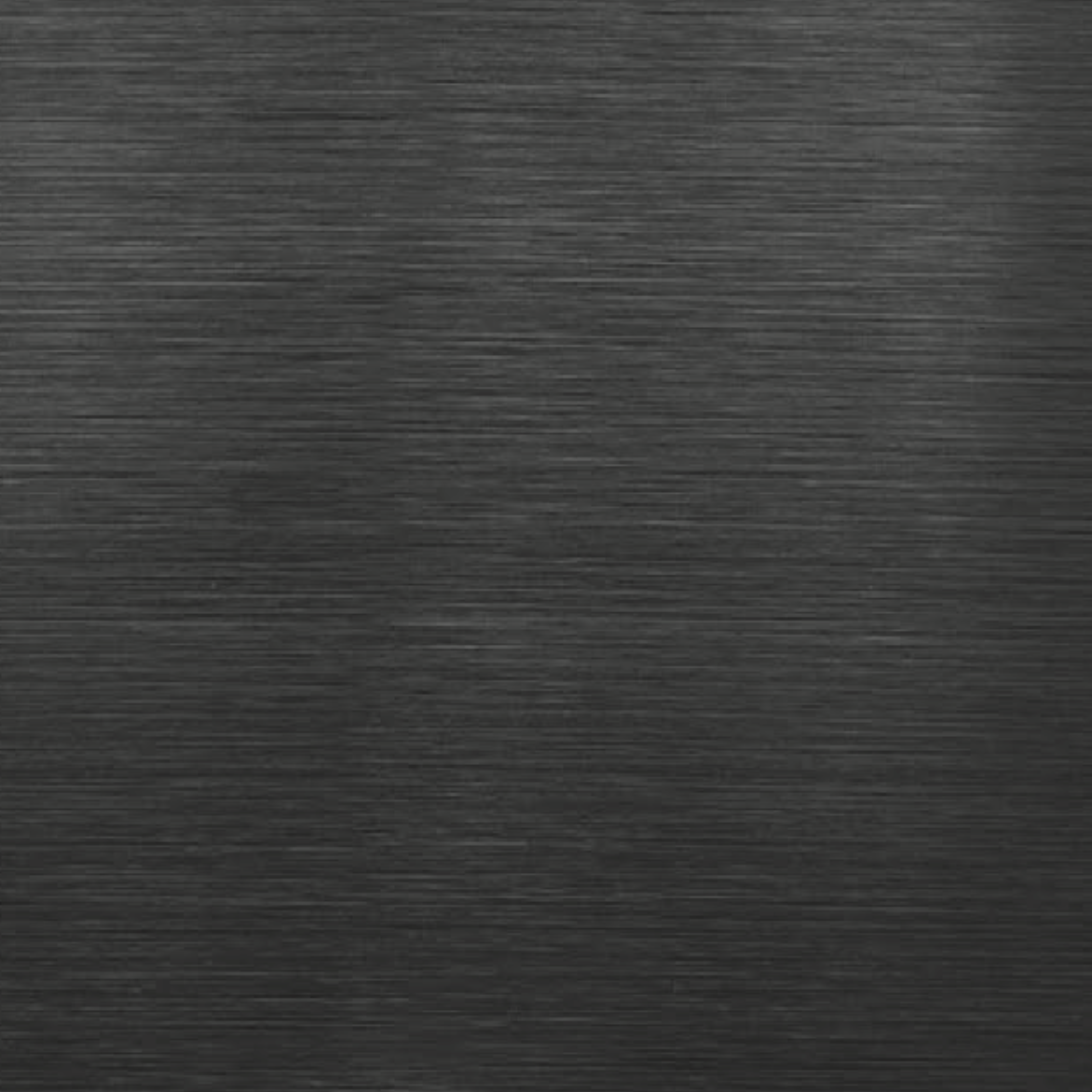
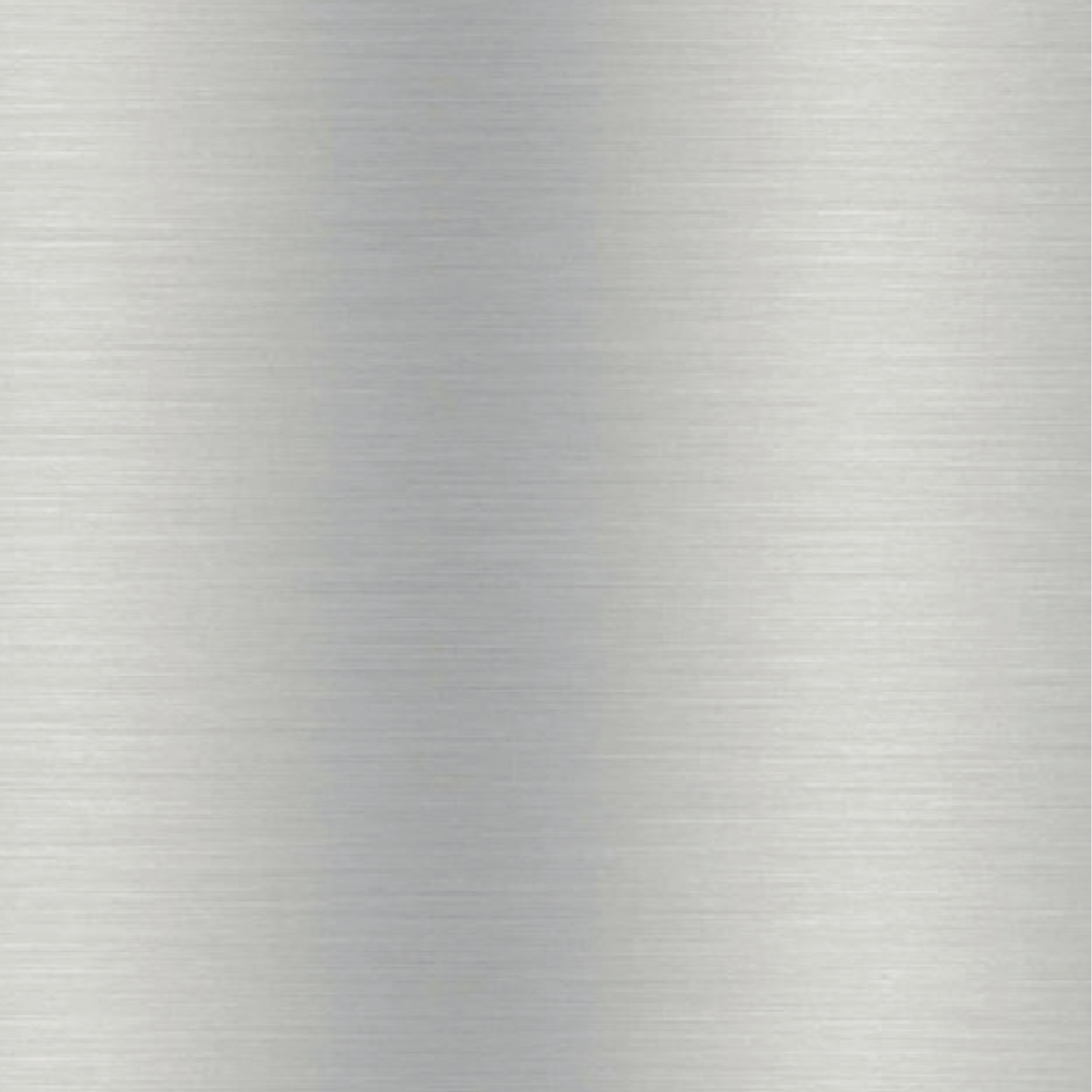
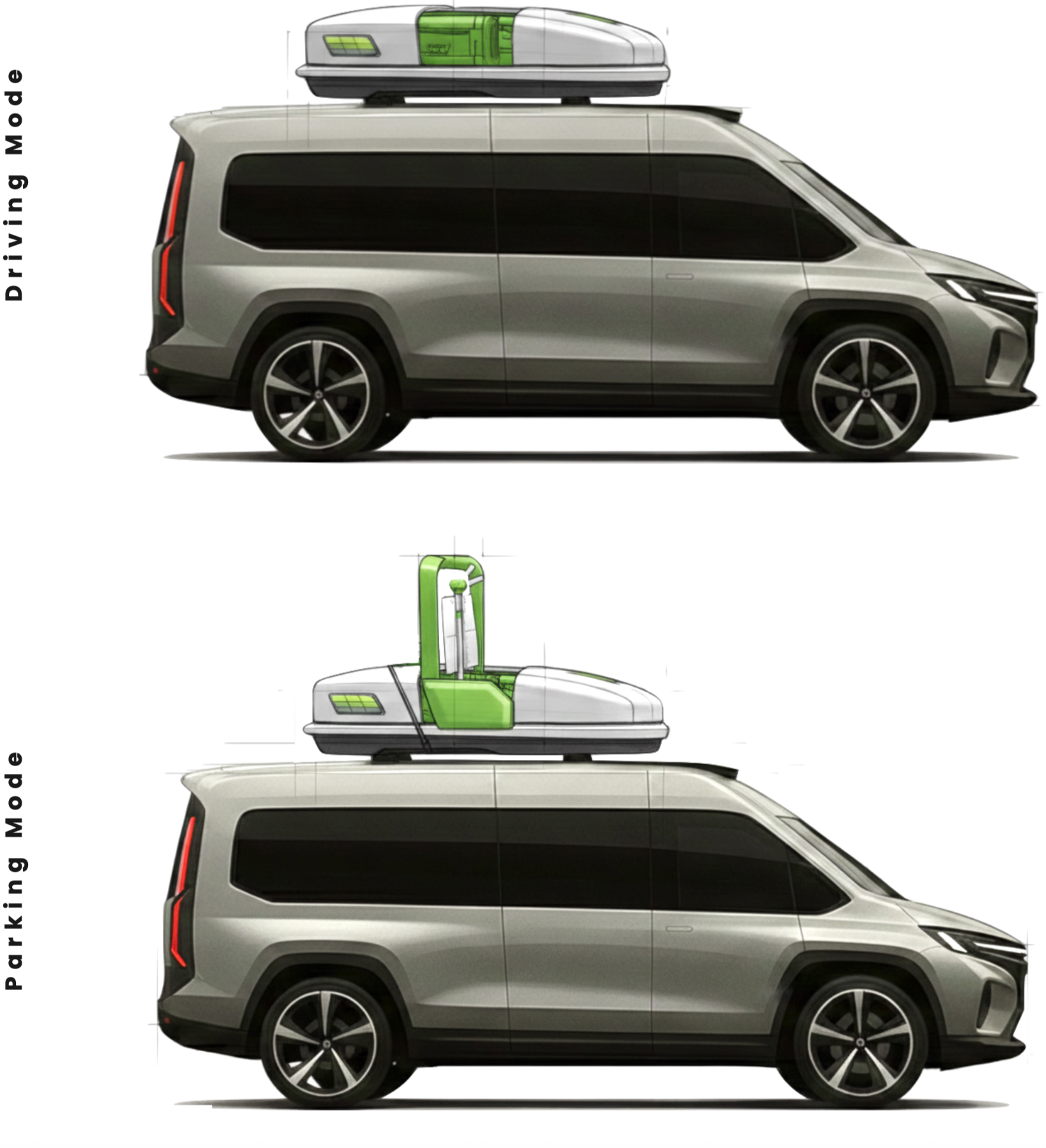
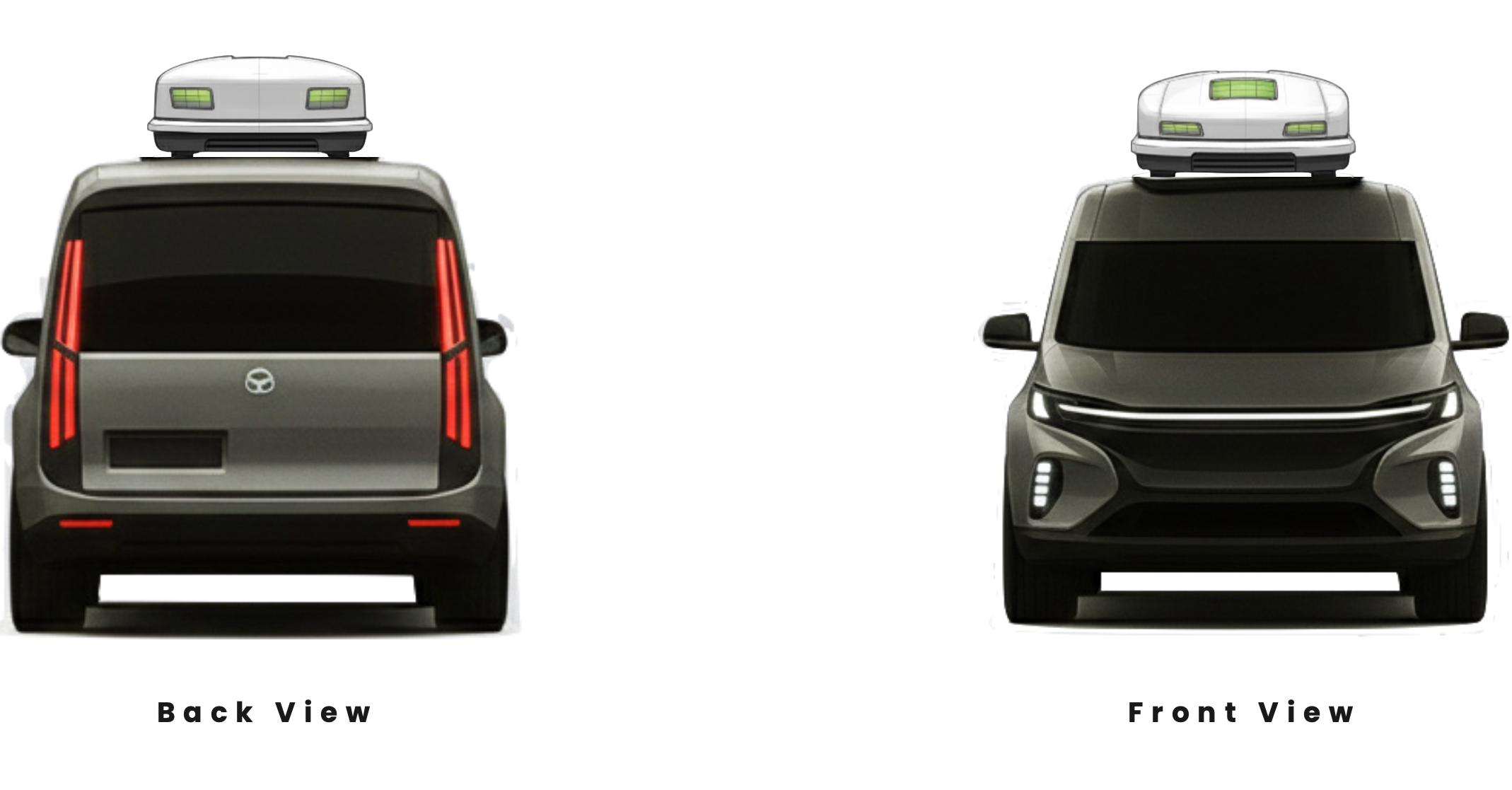
Designing a motion-based hybrid turbine for vans and work trucks calls for lightweight, weather-resistant materials; such as aluminum structures, composite enclosures, high-speed outdoor-rated bearings, IP65+ sealed housings, UV-stable plastics, and noise-dampening mounts to survive harsh climates, job-site conditions, and continuous motion.
Mounted On Vehicle
Prototype
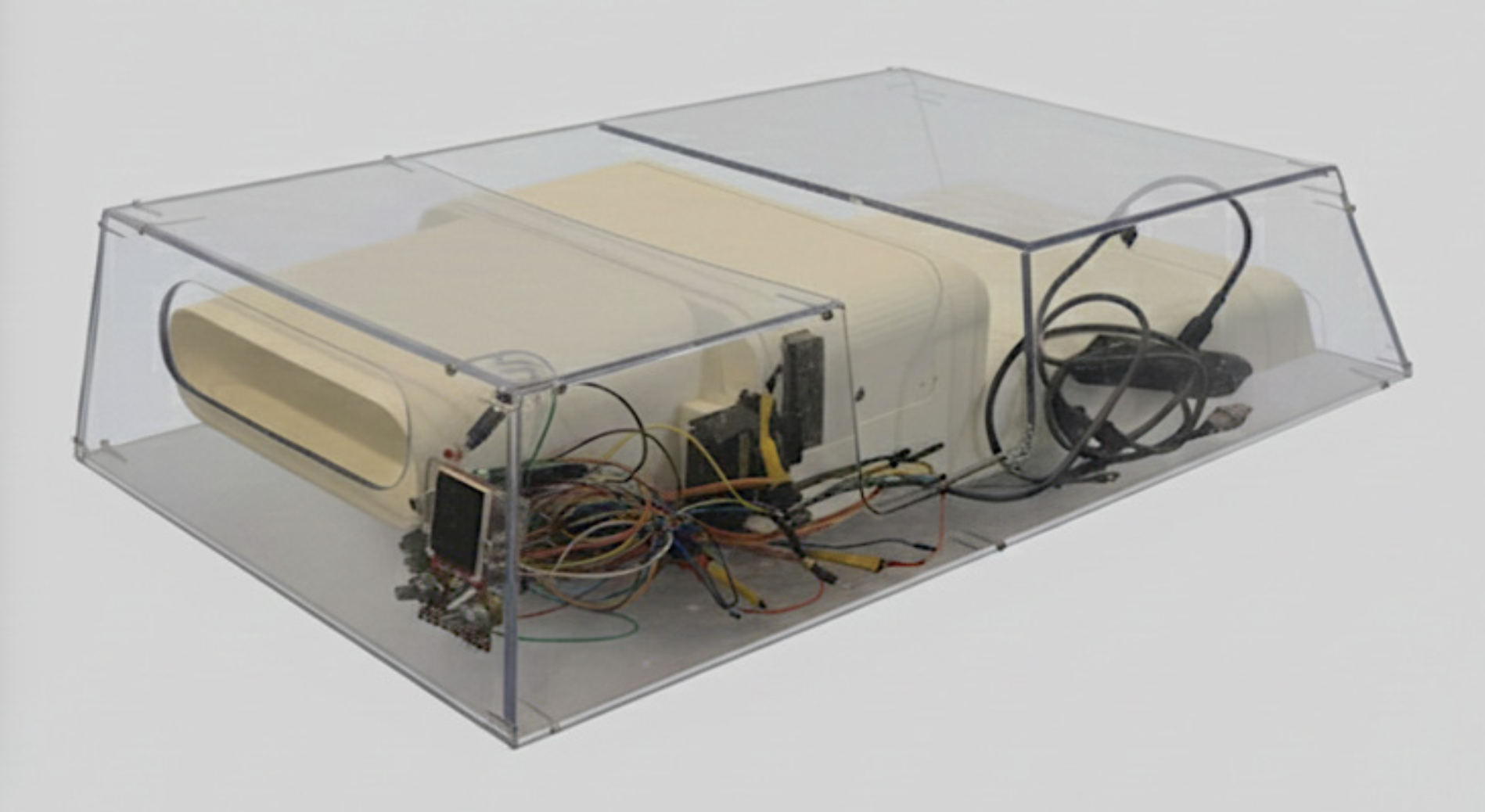
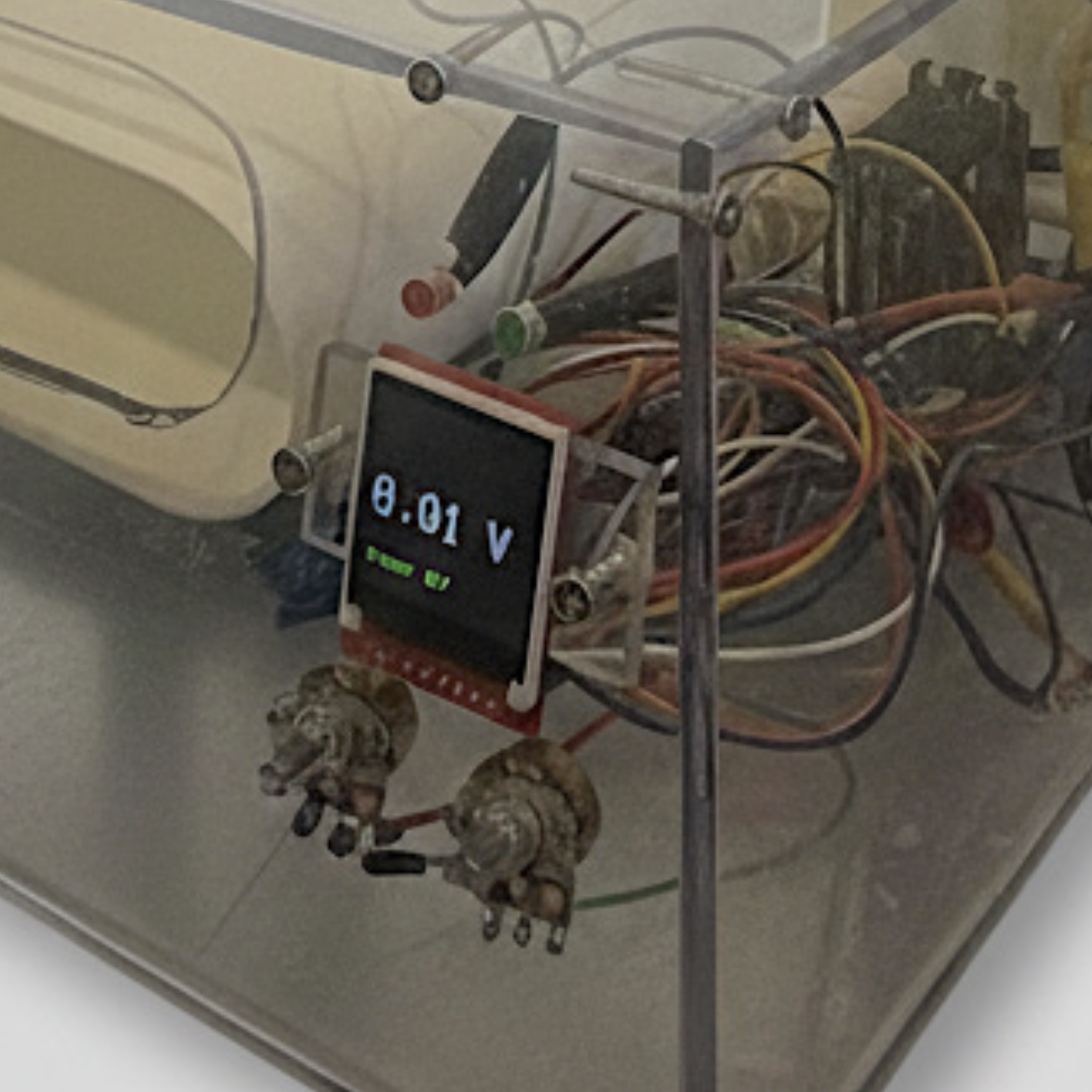
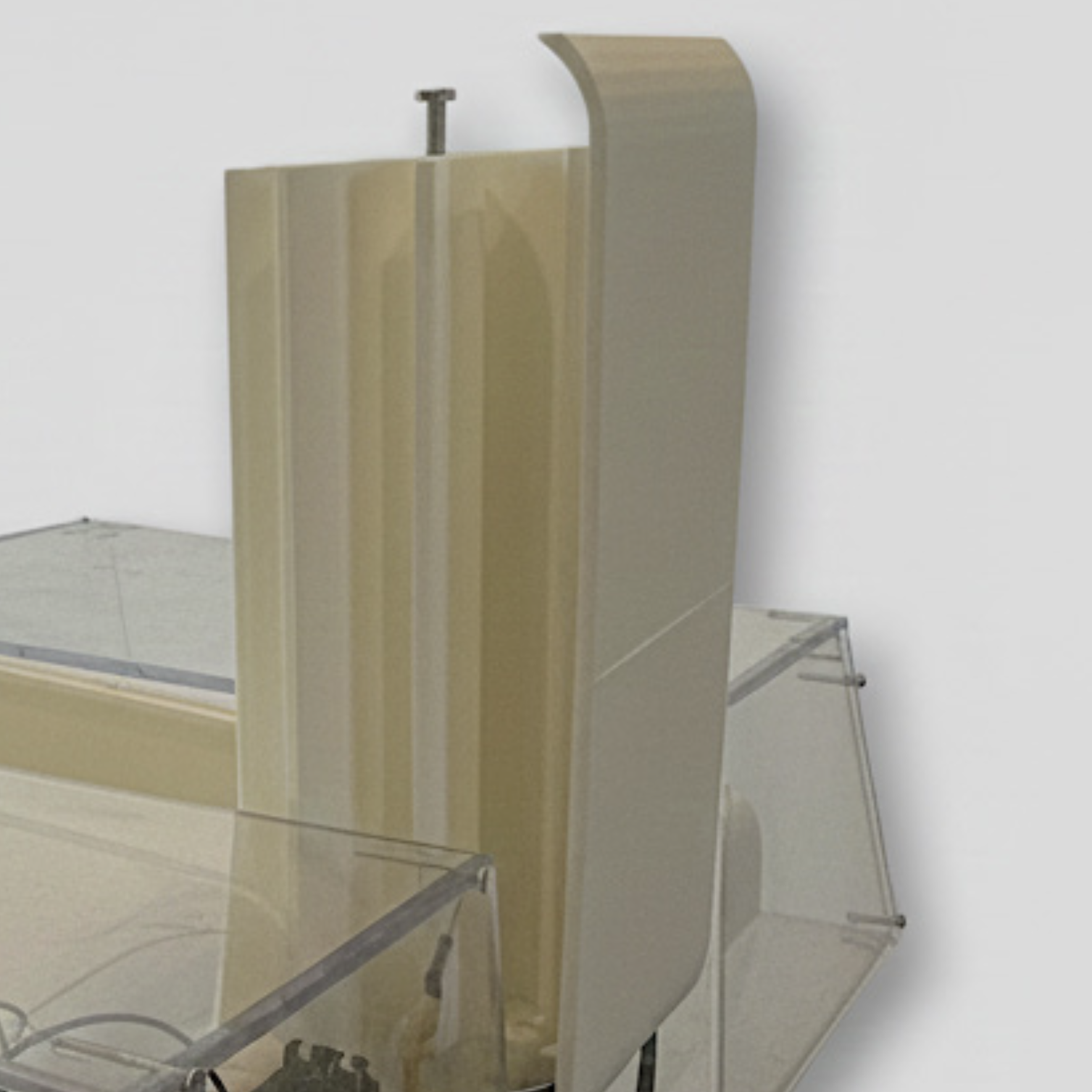
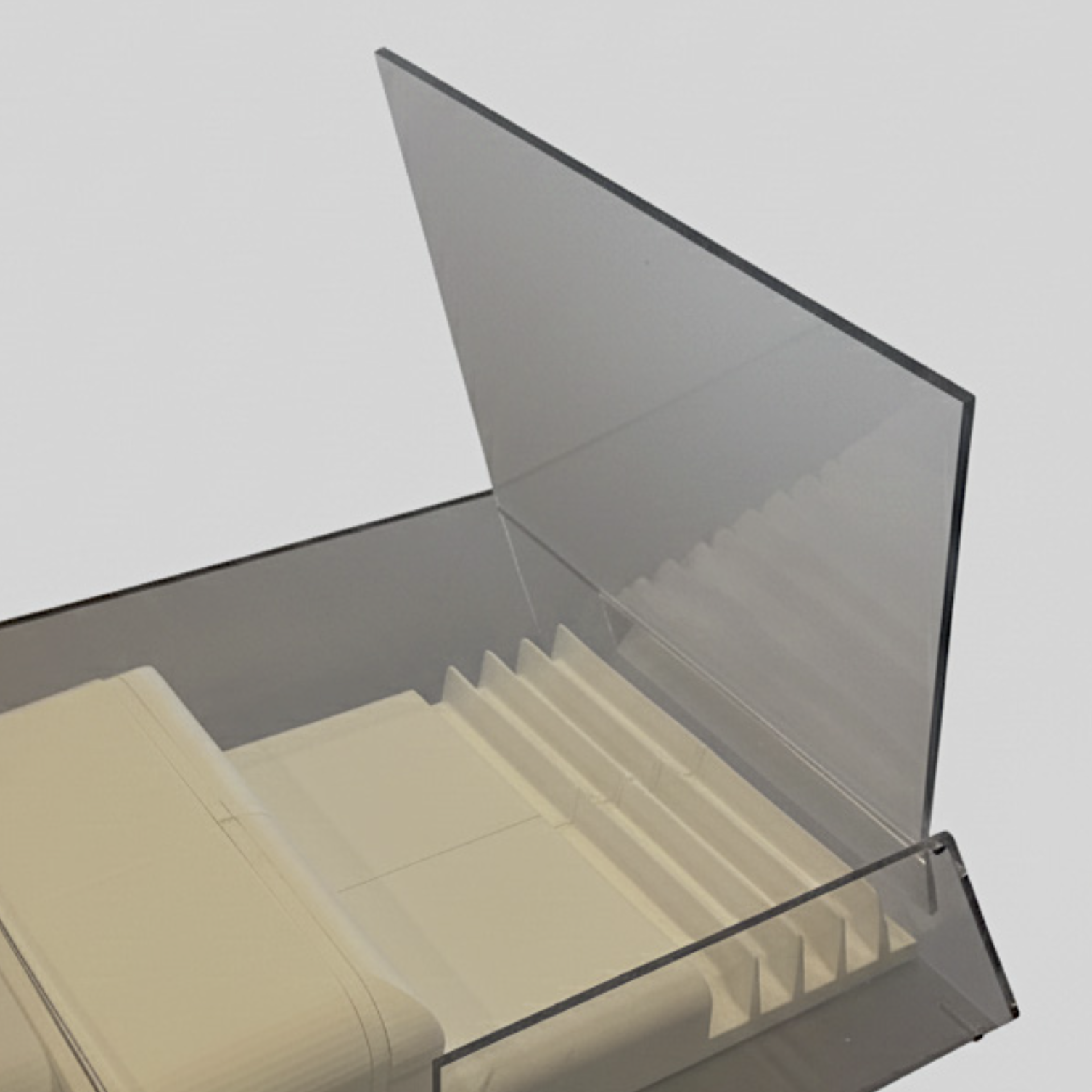
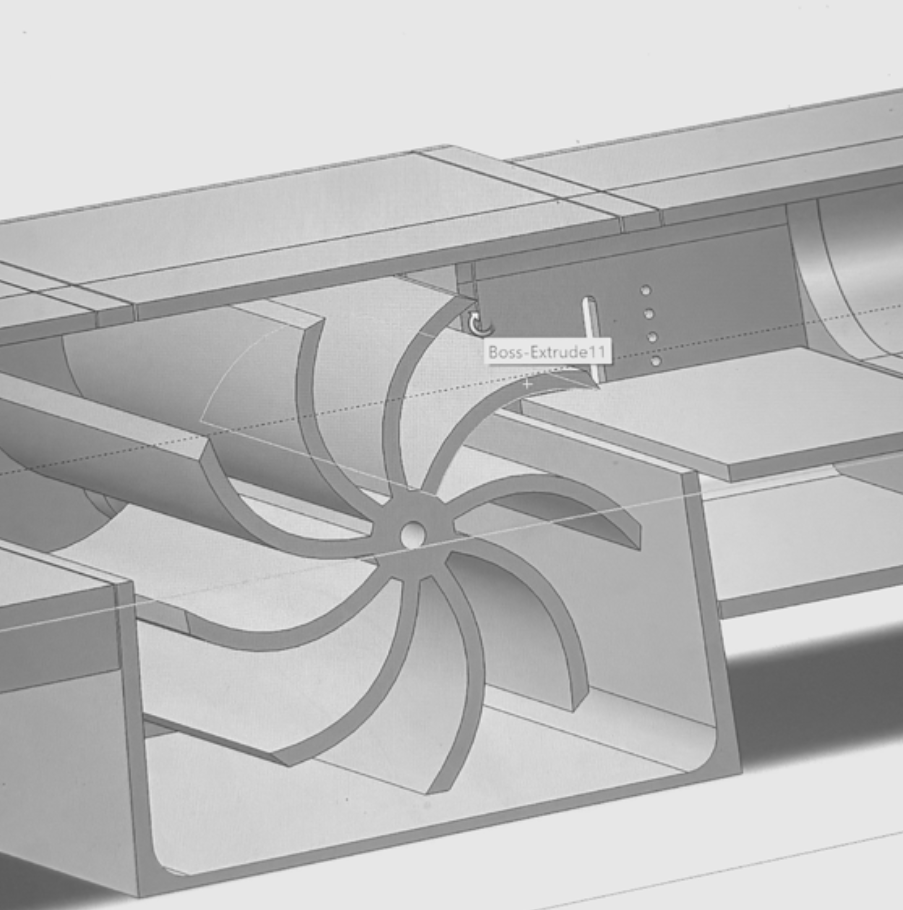
The first prototype is an open-concept electrical model where a Raspberry Pi Pico reads voltage from a DC motor acting as the turbine, displays real-time output on a screen, and uses LEDs to show whether airflow is generating low or healthy power.
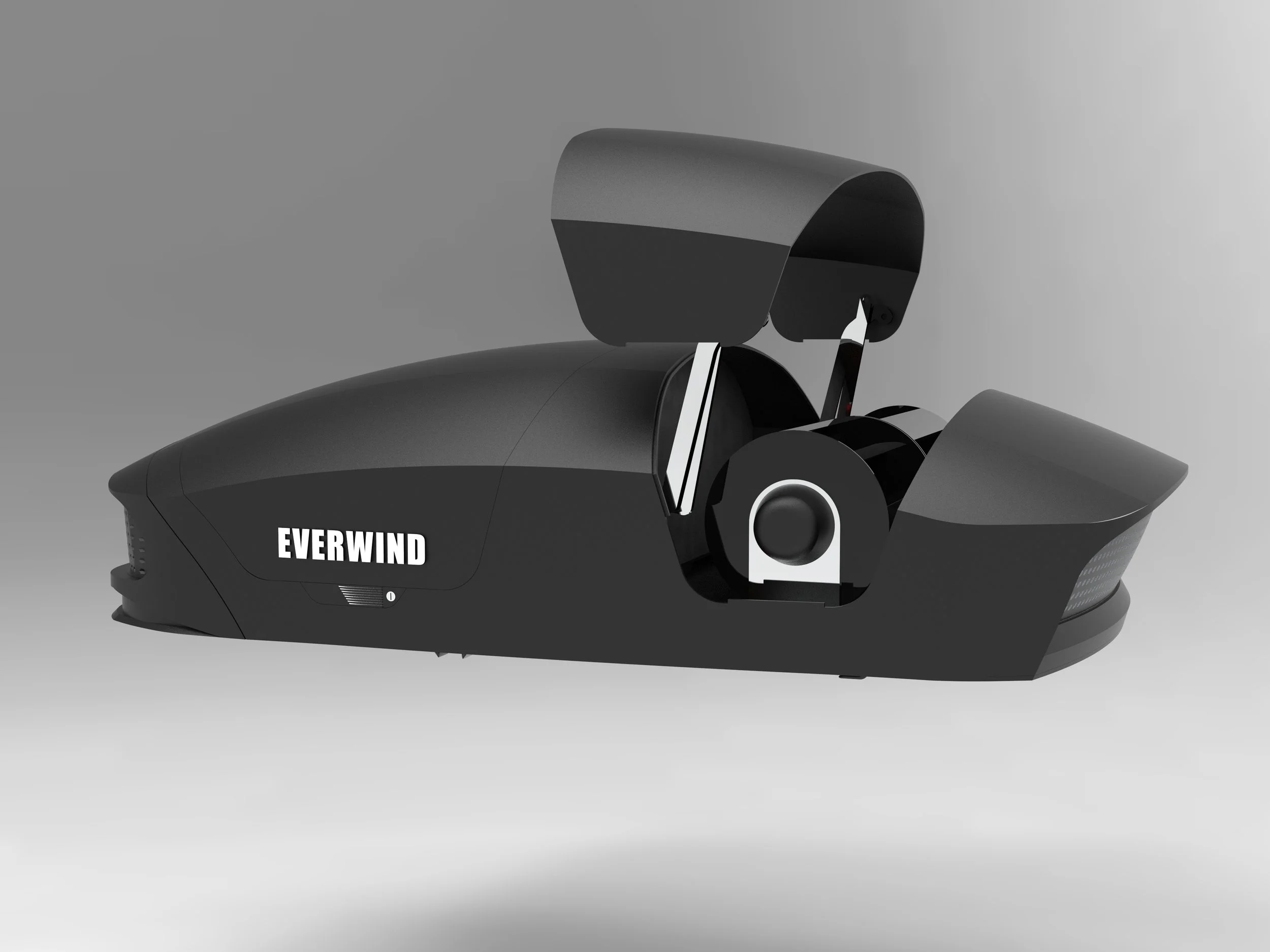
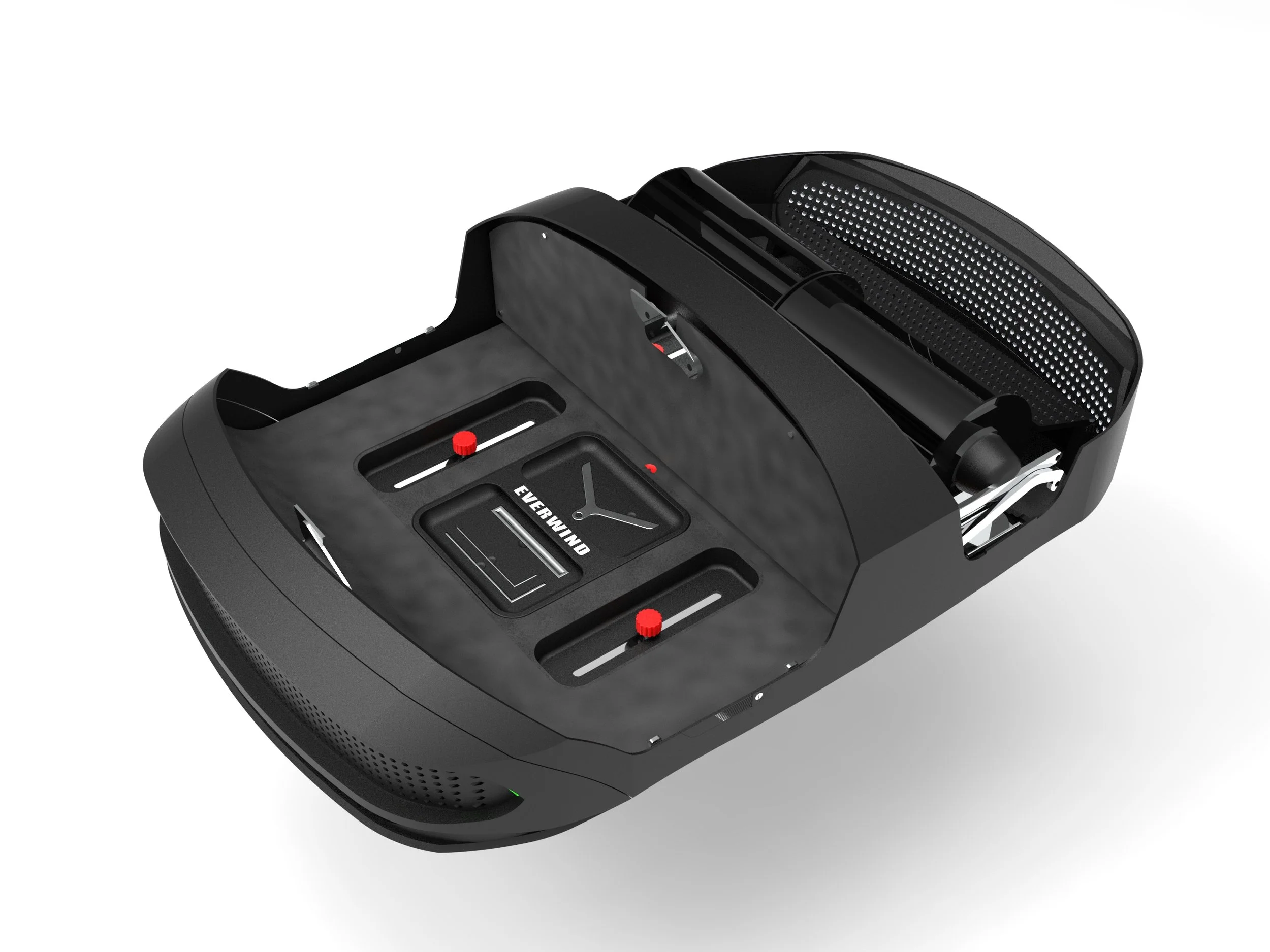
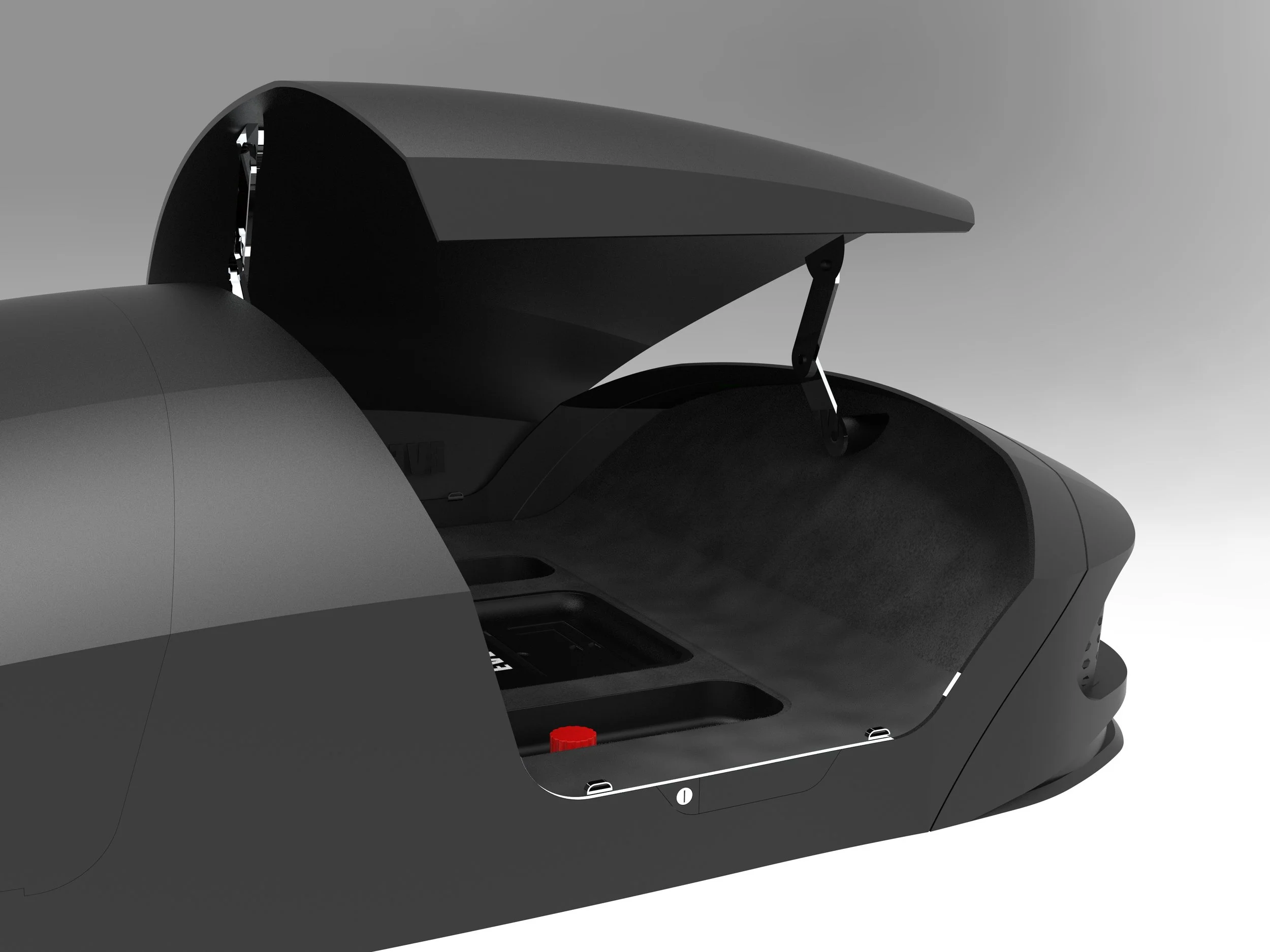
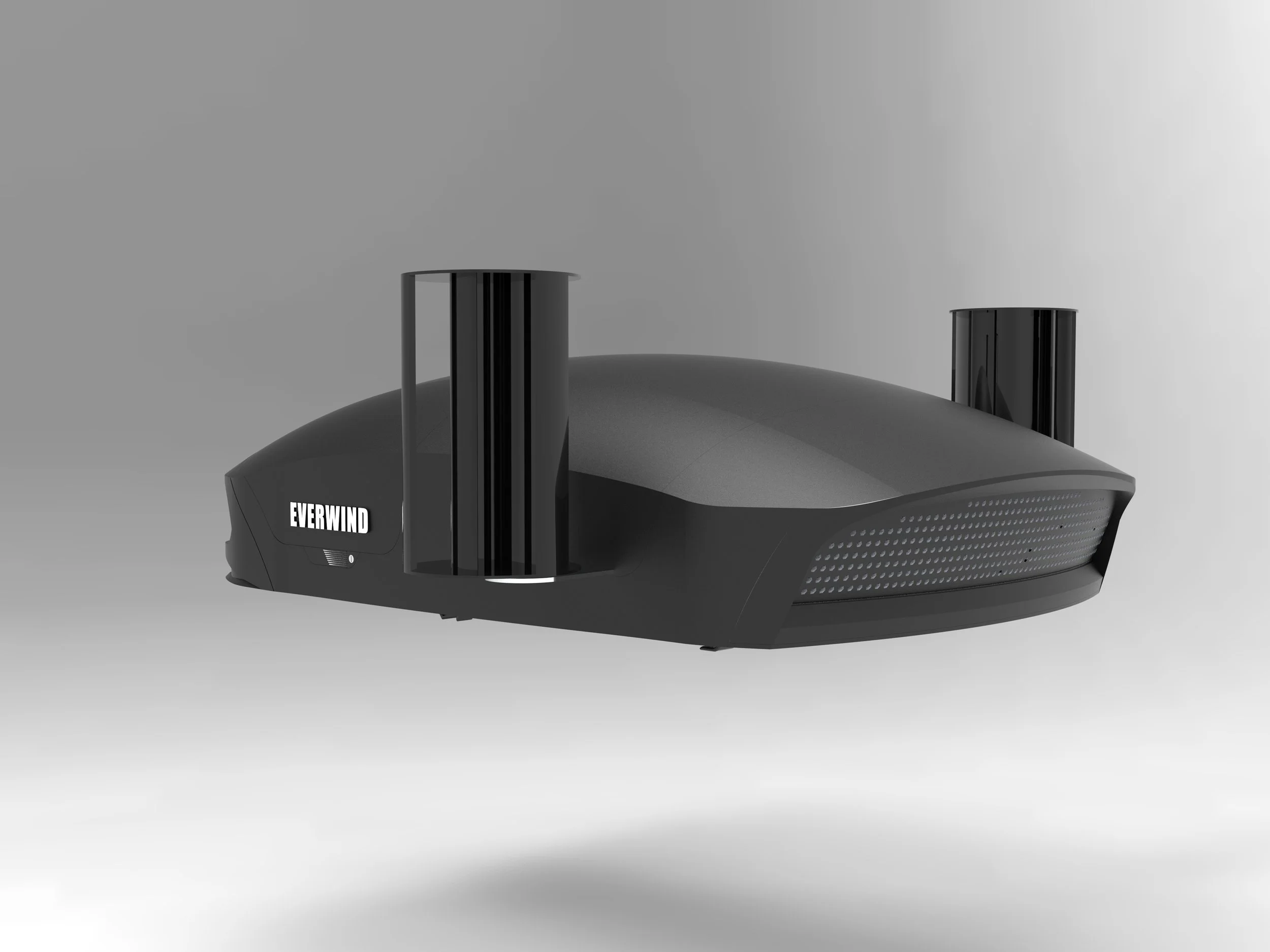
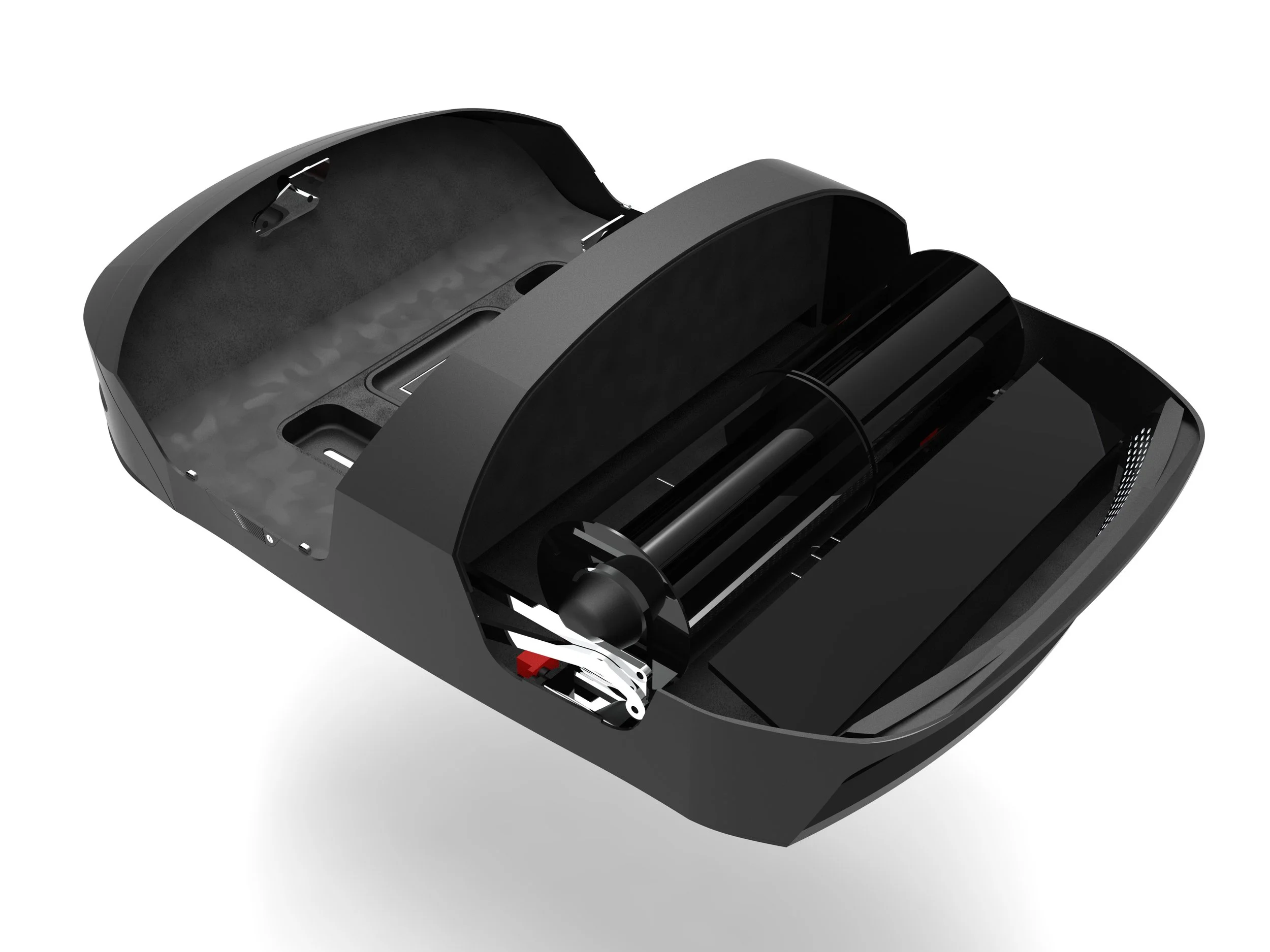
To test airflow and turbine positioning, two micro servos control an adjustable front airflow gate and rotate the turbine between horizontal Drive Mode and vertical Parked Mode inside a 3D-printed frame, enabling early validation of system behavior before moving to a full-scale aerodynamic prototype.
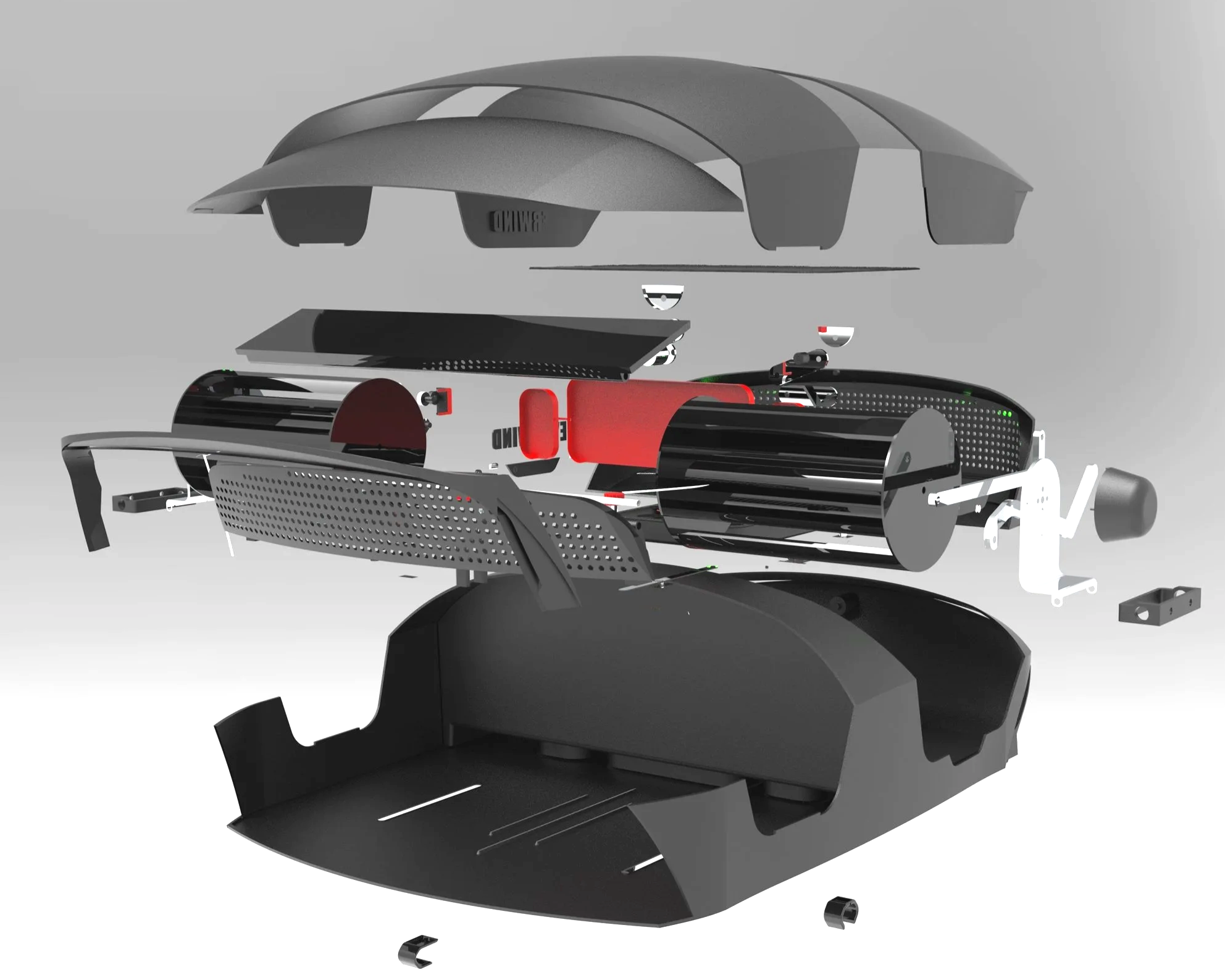
CAD Modelling

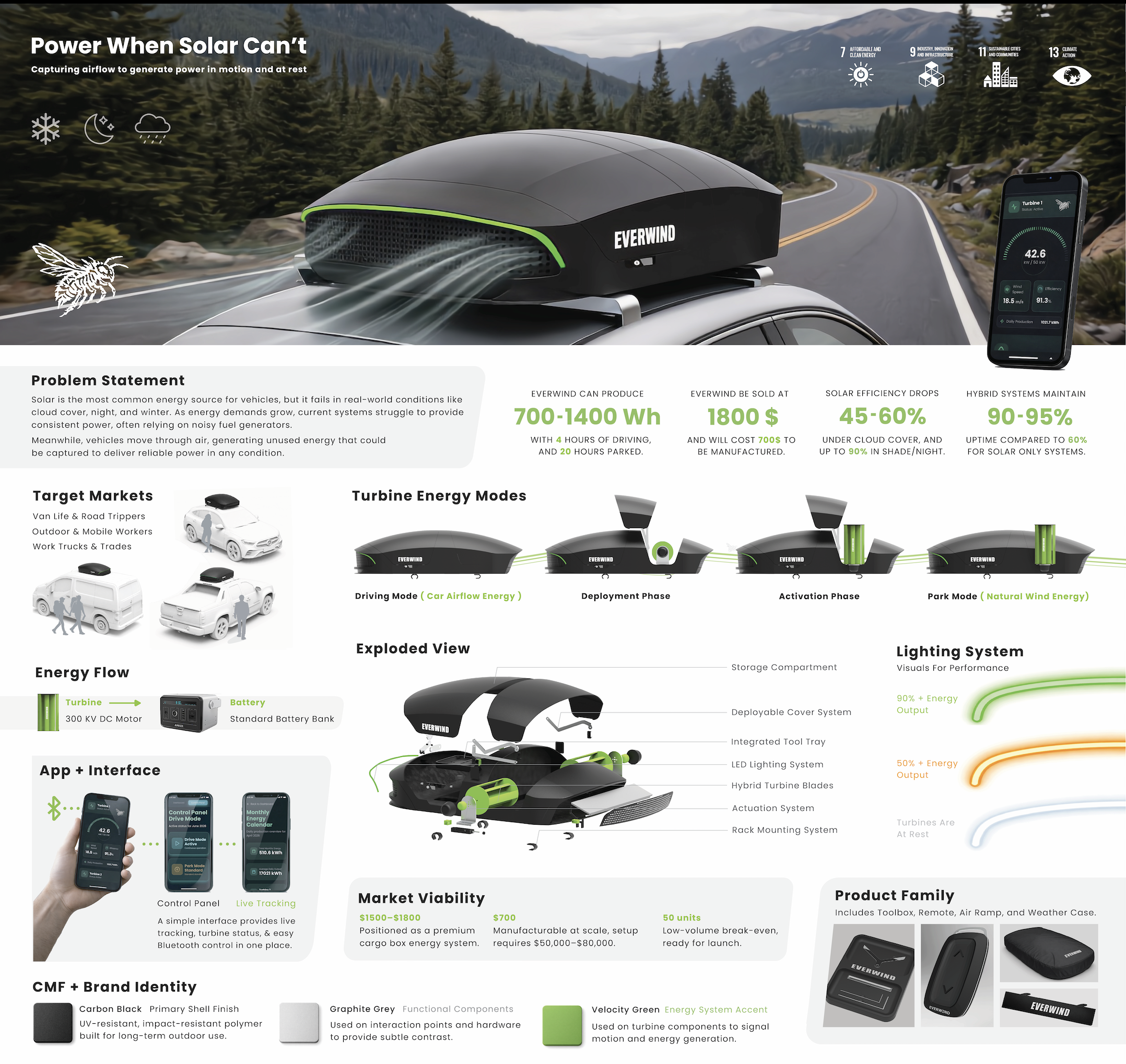
Presentation Boards
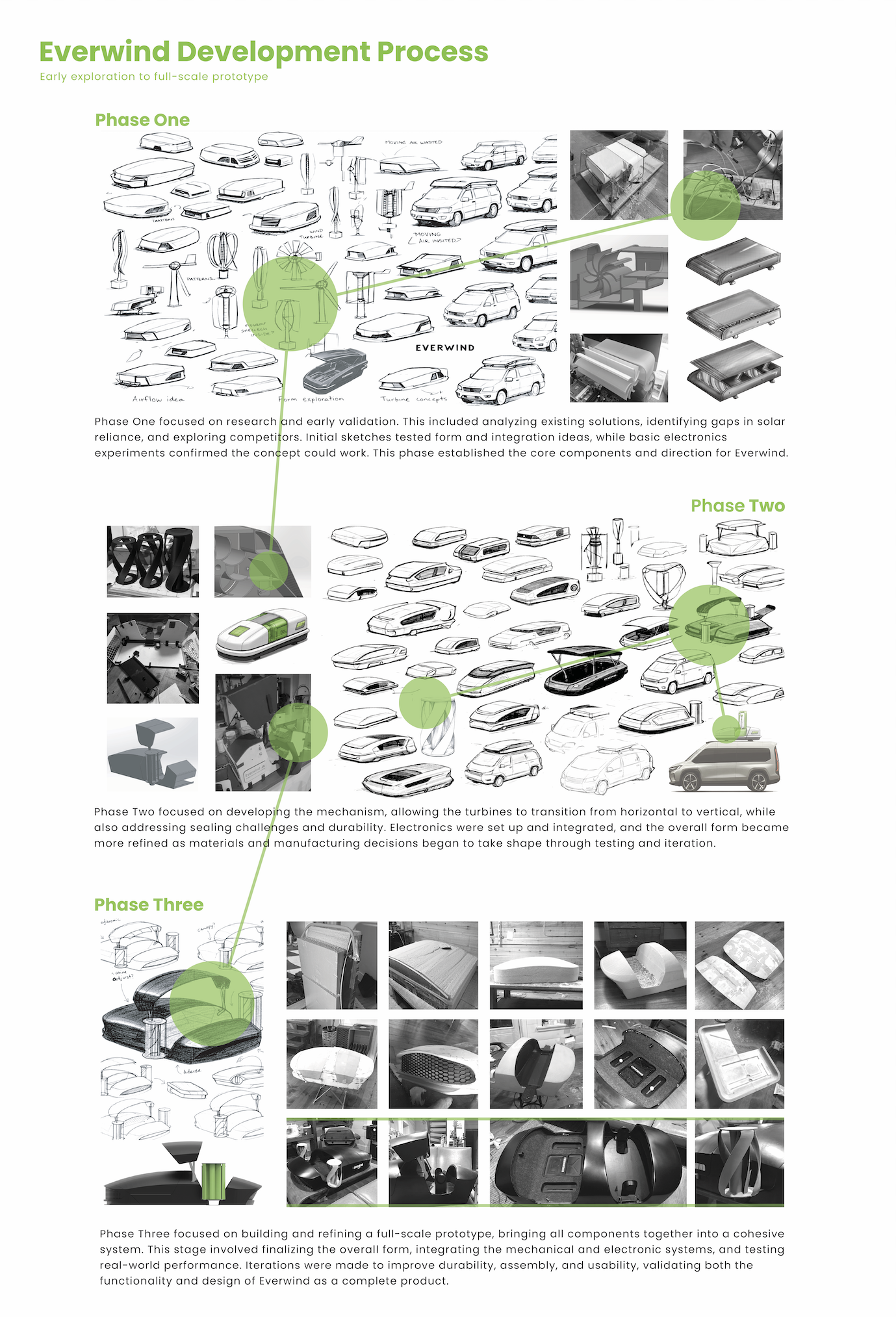
For more information on the specs, please see the booklet below